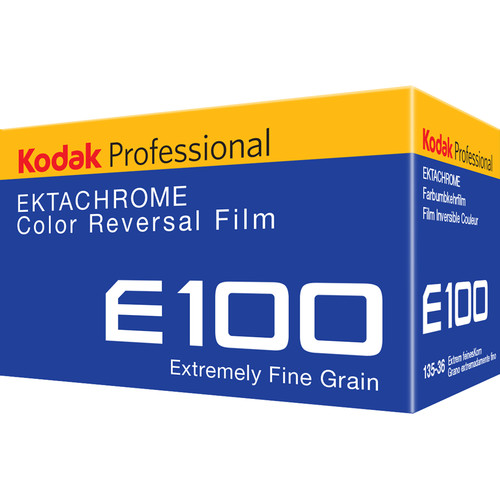
Expired Film Compensation for Kodak Ektachrome 100 35mm
We've pre-filled the form with Kodak Ektachrome 100 35mm details.
Just enter the expiration date and storage conditions.
Slide Film Is Different
Do NOT apply the "1 stop per decade" rule to slide film. Overexposure destroys slide film images.
Recommendation: Shoot at box speed. If the film is very old, ask your lab to PUSH in development instead of overexposing.
Kodak Ektachrome 100 35mm
Color Slide • ISO 100
Related Films

Frequently Asked Questions
How many stops should I overexpose expired film?
It depends on the film type. Color negative film typically needs +1 stop per decade expired. Black & white film is more stable and often shoots fine at box speed even when decades old. Slide film is the exception - DO NOT apply the 1 stop rule to slide film, as overexposure destroys the image.
Can you shoot 20 year old film?
Yes! Many photographers successfully shoot film that's 20+ years old. Results depend heavily on how it was stored. Frozen film can last decades with minimal degradation. Room temperature storage leads to more noticeable color shifts and sensitivity loss. Always bracket your exposures with very old film.
Why is expired slide film different?
Slide film (E-6) is a positive/reversal process where the developed film IS the final image. Unlike negative film where overexposure can be corrected in printing, overexposed slides will be washed out and unusable. For expired slide film, it's better to push in development rather than overexpose.
Does cold storage help preserve film?
Absolutely. Cold storage dramatically slows the chemical degradation of film emulsions. Film stored frozen at -18°C or below can remain usable for decades beyond its expiration date with minimal changes. Even refrigeration at 2-8°C significantly extends film life. Let frozen film warm to room temperature before opening to prevent condensation.
What happens to film when it expires?
Expired film undergoes chemical changes that affect its light sensitivity (usually decreases) and color accuracy (shifts occur). The silver halide crystals that form the image become less reactive. Color films may develop unwanted color casts, typically shifting toward magenta or yellow. Black & white films are more stable but may show increased base fog.
Should I push or pull expired film in development?
For color negative film, standard C-41 processing is usually fine - the compensation happens at the shooting stage by overexposing. For slide film, pushing in E-6 development is preferred over overexposing. For B&W, you have more flexibility to push in development if needed.
Can expired film give interesting effects?
Yes! Many photographers intentionally shoot expired film for its unique characteristics. Expect unpredictable color shifts, increased grain, and sometimes dreamy, vintage looks. Expired film can add character to portraits and artistic projects. The results are never exactly reproducible, which is part of the appeal.
Track Your Expired Film
Keep track of all your expired film rolls, their expiration dates, and storage locations with Film Tracker.